Model InSystem 006
gravity sorter
Up to 2
output
fractions
objects / sec
Up to 6
tons
per hour
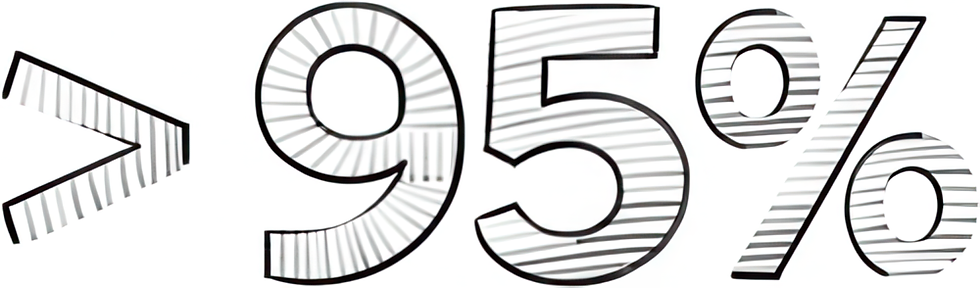
A new approach to optical sorting. Gravity Sorter is a free-fall AI optical sorter designed for accurate separation of fine and complex mixed material streams. The system tracks each object mid-air and ejects target materials with high precision, delivering stable sorting performance for recycling applications. The machine processes materials in the 4-70 mm range at up to 6 tons per hour, achieving 95%+ purity. Its compact belt-free design reduces mechanical complexity and supports efficient integration into existing lines.
PURITY LEVELS

Ai + NiR camera

input size
4-70 mm
Purchase price —
from 120 000 €


30+
Types of sorted
materials
E-waste / WEEE
PCB fragments, Copper, Aluminum, Plastics

Mixed Batteries
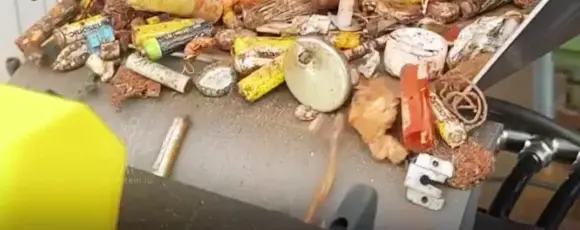
Li-ion, Alkaline, NiMH / NiCd, Button cells

Plastics
PET, HDPE, PP, LDPE, PVC

Incinerator bottom ash
Copper, Aluminum, Stainless steel, Brass, PCB

Non-ferrous metal scrap
Aluminum, Copper, Brass, Zinc, Tin

C&D waste
Aggregates, Non-ferrous metals, Wood, Plastics

Why We Lead

-
High labor cost of manual picking
-
Inconsistent output quality
-
Limited recovery value
-
Operational instability
-
Difficult to scale
Less labour. More automation.
More sorting
Less waste

-
Consistent high purity (>95%)
-
Increased material recovery
-
Lower dependency on labor
-
Automated sorting process
-
Scalable modular setup


30+
Types of sorted
materials
E-waste / WEEE
PCB fragments, Copper, Aluminum, Plastics
Mixed Batteries
Li-ion, Alkaline, NiMH / NiCd, Button cells
Plastics
PET, HDPE, PP, LDPE, PVC
Incinerator bottom ash
Copper, Aluminum, Stainless steel, Brass, PCB
Non-ferrous metal scrap
Aluminum, Copper, Brass, Zinc, Tin
C&D waste
Aggregates, Non-ferrous metals, Wood, Plastics


Less labour. More automation.
More sorting
Less waste
-
High labor cost of manual picking
-
Inconsistent output quality
-
Limited recovery value
-
Operational instability
-
Difficult to scale
-
Consistent high purity (>95%)
-
Increased material recovery
-
Lower dependency on labor
-
Automated sorting process
-
Scalable modular setup
AI sorting platform
The Gravity Sorter is controlled through the inSystem Cloud Platform™, accessible from any browser. The platform gives operators full control over the sorting process: configure input fractions, adjust ejection settings per material class, and monitor key statistics in real time. The interface is designed to be intuitive and requires no programming skills. A new operator can be trained
on the platform in 1 day.


AI training platform
The inSystem AI Training Platform™ includes a built-in image labelling tool. Operators can label sorting images directly in the interface, trigger AI retraining, and deploy trained models without external support at no extra cost. Retraining requires approximately 2,000 labelled images. This makes the system self-sufficient: the sorting accuracy improves over time as operators add more data from their specific material stream.

AI retraining at no extra cost

Fast adaptation to changing
materialstreams

Stable sorting performance across varying input conditions
Personalized line configurations

1.
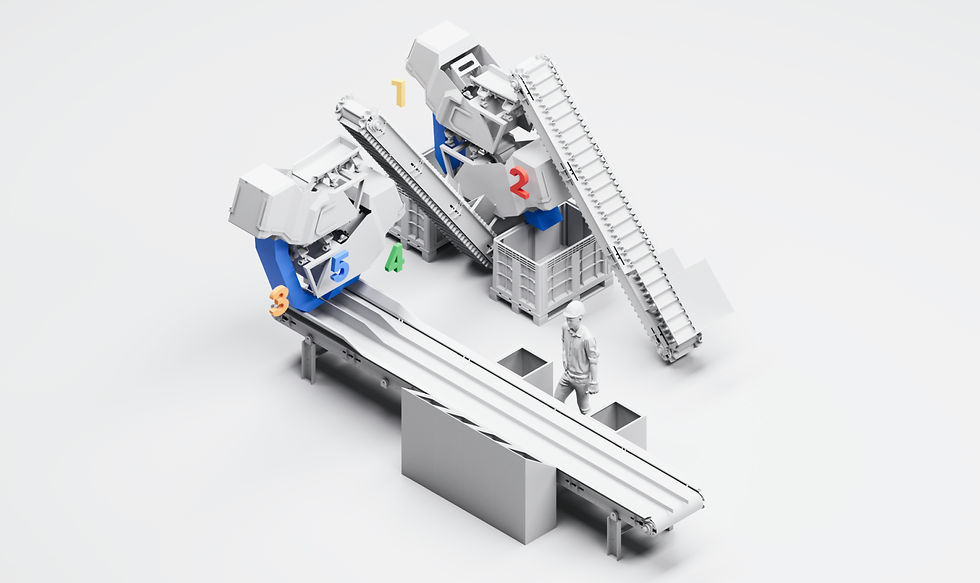
Stacked sorters configuration
The modular design enables stacking gravity sorters, increasing the number
of output fractions

Flexible configuration

Easy integration into existing lines

Reduced operational complexity

2.
separation line with windshifter
Automated sorting line for the MSW ferrous fraction, removing light fractions and separating batteries from the remaining metal stream
-
Increased recovery precision after light fraction removal
-
Sensor and software upgrades for adaptation to changing material streams
-
Reduced mechanical wear components
3.

4.
Design and construction
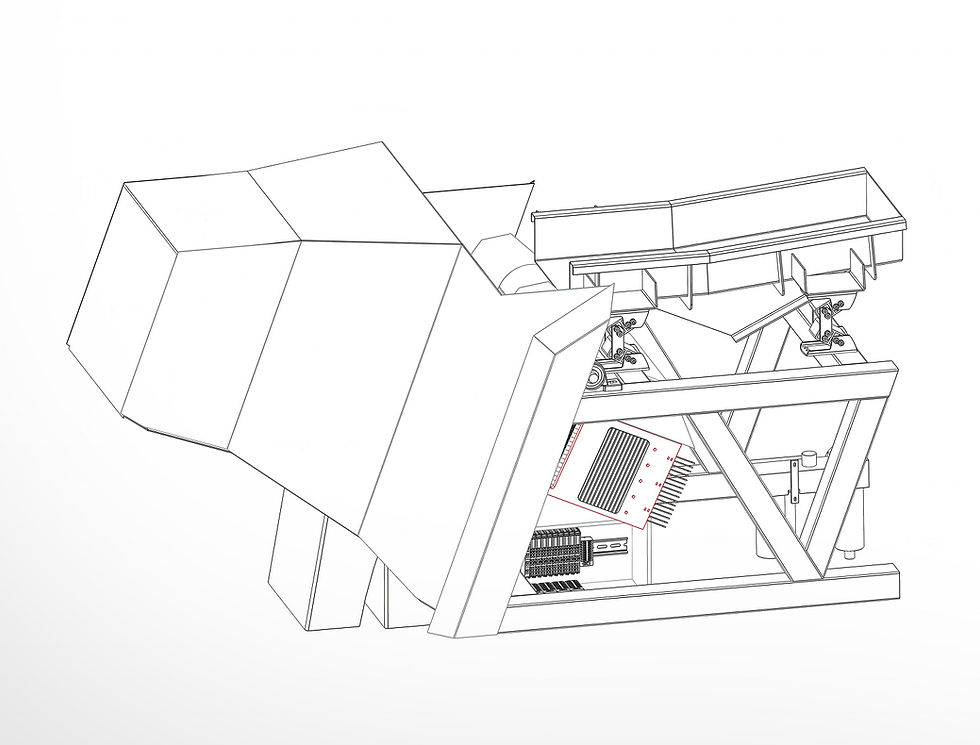
A new approach to optical sorting. The Gravity Sorter uses free-fall AI vision to identify and separate materials in the 2-50 mm range that conventional belt-fed sorters miss. The system captures 10 images of each object mid-air, tracking shape and trajectory before precision ejection through 2 mm nozzles into up to 3 output fractions.
At inSystem.io, we step in as an innovation partner for recycling facilities, helping improve efficiency and reduce labor costs. We also develop tailored solutions to fit each plant layout and operations.
COMPONENT
material
Housing
Stainless steel
Frame
Steel
Feeder
Steel

Technical details
and specifications
A new approach to optical sorting. Gravity Sorter is a free-fall AI optical sorter designed for accurate separation of fine and complex mixed material streams. The system tracks each object mid-air and ejects target materials with high precision, delivering stable sorting performance for recycling applications.
The machine processes materials in the 4–70 mm range at up to 6 tons per hour, achieving 95%+ purity. Its compact belt-free design reduces mechanical complexity and supports efficient integration into existing lines.
BASIC PARAMETRES
Capacity up to 6 tons/hour
Purity rate >95%
FRACTIONS
Input: fraction size 4-70 mm
Output: 2 separate fractions
Sorting principle
Gravity free fall at 1,5 to 4 m/s
Camera
AI + NIR/SWIR/LWIR camera (optional)
Parameters
Specification
Minimum and maximum size
of sorted objects
4-70 mm
(depending on material)
Purity
95+ %
Working width
320 | 480 | 600 mm
Overall dimensions
1500х800х1600 mm
Power consumption
3,5 kWt /
220V single-phase
Compressed air requirements
500 - 2000 L/min
(up to 2x less than belt-fed)

Book a demo

Receive a tailored assessment showing how our technology can improve your key performance metrics

Integrate InSystem recycling robots to enhance your business
Learn more about
gravity sorter
up to 2
output
fractions
up to 6
tons
per hour
A new approach to optical sorting. Gravity Sorter is a free-fall AI optical sorter designed for accurate separation of fine and complex mixed material streams. The system tracks each object mid-air and ejects target materials with high precision, delivering stable sorting performance for recycling applications. The machine processes materials in the 4-70 mm range at up to 6 tons per hour, achieving 95%+ purity. Its compact belt-free design reduces mechanical complexity and supports efficient integration into existing lines.


PURITY LEVELS
Ai + NiR camera
input size
4-70 mm
Purchase price
—
from 120 000 €





Model InSystem 006
gravity sorter


Detaled review

High-speed
vision performance

Our optical sorter uses a high-speed camera with AI analysis that captures up to 100 frames per second, identifying each object in real time.
High resolution and fast exposure ensure accurate recognition of complex materials moving at up to 4 meters per second.
This precision allows the optical sorter to maintain consistent performance even during high-volume operation.

5 SEC RESPOSE TIME

4 METERS /
SEC

FAST EXPOSITION
Cloud statistics

The optical sorter connects to a cloud platform that analyses real-time performance data from every line. Dashboards show sorting efficiency, purity, and throughput, allowing operators to monitor production remotely and detect issues early. AI updates and live statistics keep each sorter running at peak accuracy and uptime.

REALTIME
STATISTICS

REMOTE CONNECTION

HIGH-SPEED
AI UPDATE

CLOUD MONITORING
Up and down separation
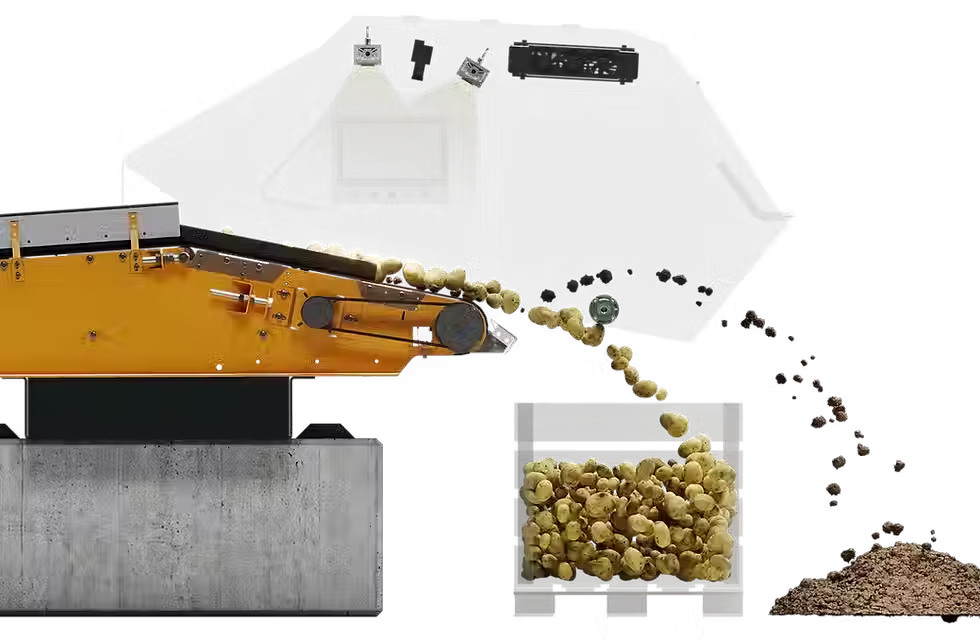
The optical sorter can be configured for upward or downward discharge, adapting to the plant layout and material flow.

Both installation options are available on request, providing flexibility for different optical sorting line designs.
Triangular conveyor

The optical sorter uses a triangular conveyor that improves material flow and separation efficiency.
As mixed material moves over the angled section, lighter items lift and slide upward while heavier ones remain on the belt, ensuring steady and precise separation.

separation

FLOW OPTIMIZATION
Conveyor chain
Connecting multiple optical sorters in sequence maintains material flow and consistent throughput. This configuration supports continuous sorting and helps use space efficiently within the production line.


Technical details
and specifications
A new approach to optical sorting. Gravity Sorter is a free-fall AI optical sorter designed for accurate separation of fine and complex mixed material streams. The system tracks each object mid-air and ejects target materials with high precision, delivering stable sorting performance for recycling applications.
The machine processes materials in the 4–70 mm range at up to 6 tons per hour, achieving 95%+ purity. Its compact belt-free design reduces mechanical complexity and supports efficient integration into existing lines.
BASIC PARAMETRES
Capacity up to 6 tons/hour
Purity rate >95%
FRACTIONS
Input: fraction size 4-70 mm
Output: 2 separate fractions
Sorting principle
Gravity free fall at 1,5 to 4 m/s
AUTOMATIC OIL SYSTEM
AI + NIR/SWIR/LWIR camera (optional)
Parameters
Significance
Minimum and maximum size
of sorted objects
4-70 mm
(depending on material)
Power consumption
7,5 kW/h
Working width
320 | 480 | 600 mm
Weight
850 kg
Compressed air requirements
500 - 2000 L/min
(up to 2x less than belt-fed)
Design and construction
A new approach to optical sorting. The Gravity Sorter uses free-fall AI vision to identify and separate materials in the 2-50 mm range that conventional belt-fed sorters miss. The system captures 10 images of each object mid-air, tracking shape and trajectory before precision ejection through 2 mm nozzles into up to 3 output fractions.
At inSystem.io, we step in as an innovation partner for recycling facilities, helping improve efficiency and reduce labor costs. We also develop tailored solutions to fit each plant layout and operations.
COMPONENT
material
Housing
Stainless steel
Frame
Steel
Feeder
Steel


Place in sorting line

Learn
more about gravity sorter

Book a demo
Receive a tailored assessment showing
how our technology can improve your
key performance metrics
Integrate InSystem recycling robots
to enhance your business